Understand Yourself
Understanding yourself is one of the most valuable journeys you can undertake. Self-understanding influences how we think, make decisions, build relationships, manage emotions, pursue goals, and respond to life’s challenges. The better we understand our thoughts, behaviours, strengths, and limitations, the more effectively we can make choices that align with our values and aspirations.
Many people spend years learning about the world around them while investing little time in understanding themselves. Yet self-awareness forms the foundation of personal growth, emotional wellbeing, resilience, and long-term success. By exploring who we are, why we behave as we do, and how our personality influences everyday life, we gain the ability to make more intentional and fulfilling decisions.
What Does It Mean to Understand Yourself?
Understanding yourself involves recognising your personality, emotions, beliefs, motivations, habits, values, and behavioural patterns. It means becoming aware of how you typically respond to different situations and understanding the factors that influence your decisions.
Self-understanding is not about becoming perfect or eliminating weaknesses. Instead, it involves developing an honest and balanced view of yourself while recognising opportunities for continued learning and personal growth.
People who understand themselves often find it easier to make decisions that reflect their genuine priorities rather than responding solely to external expectations or social pressure.
Why Self-Awareness Matters
Self-awareness allows individuals to observe their thoughts and behaviours objectively. Instead of reacting automatically, self-aware people are more likely to pause, reflect, and choose responses that support their long-term goals.
Greater self-awareness may contribute to:
- Better decision-making.
- Improved emotional regulation.
- Stronger relationships.
- Greater confidence.
- Increased resilience.
- More effective communication.
- Higher life satisfaction.
- Greater personal authenticity.
These benefits often develop gradually as individuals continue learning about themselves through experience and reflection.
Understanding Your Personality
Every individual has a unique personality that influences how they interact with the world. Personality shapes preferences, communication styles, emotional responses, work habits, learning approaches, and social behaviour.
Some people naturally enjoy structured environments, while others prefer flexibility. Some gain energy from social interaction, whereas others recharge through quiet reflection. Neither approach is inherently better; they simply represent different personality tendencies.
Recognising these patterns allows individuals to work with their natural strengths while developing areas that require improvement.
Understanding Your Values
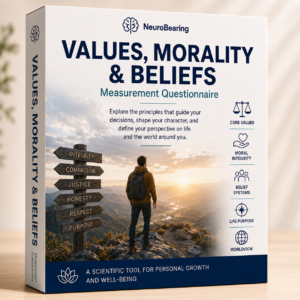
Values represent the principles that guide decisions and influence what individuals consider meaningful or important.
Examples include:
- Honesty.
- Compassion.
- Achievement.
- Family.
- Independence.
- Creativity.
- Learning.
- Security.
- Helping others.
Understanding personal values helps individuals make choices that feel authentic and satisfying. When actions consistently conflict with deeply held values, people may experience frustration, stress, or reduced wellbeing.
Understanding Your Strengths
Every individual possesses strengths that support success in different areas of life.
Strengths may include:
- Organisation.
- Empathy.
- Creativity.
- Leadership.
- Problem-solving.
- Communication.
- Patience.
- Adaptability.
- Persistence.
Recognising strengths encourages confidence while helping individuals choose environments where they are most likely to thrive.
Importantly, strengths can continue developing through learning and practice rather than remaining fixed throughout life.
Understanding Your Limitations
Self-understanding also involves recognising personal limitations without unnecessary self-criticism.
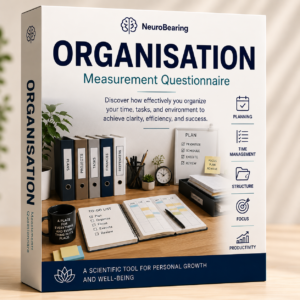
Everyone has areas that require improvement. Some people struggle with organisation, while others find emotional regulation, confidence, communication, or time management more challenging.
Accepting limitations creates opportunities for growth rather than encouraging feelings of inadequacy. Honest self-reflection often represents the first step toward meaningful change.
The Role of Emotions
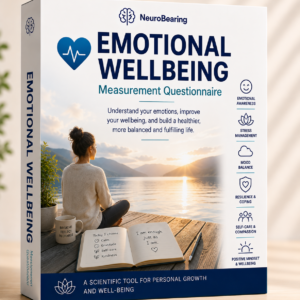
Emotions provide valuable information about our experiences and needs. Understanding emotional patterns allows individuals to respond more thoughtfully rather than reacting impulsively.
Questions such as these encourage emotional awareness:
- What situations trigger stress?
- What brings genuine enjoyment?
- Which experiences create anxiety?
- When do I feel most confident?
- What situations consistently drain my energy?
Over time, recognising these patterns improves emotional regulation and decision-making.
Habits Shape Identity
Daily habits often influence personal development more than occasional moments of motivation.
Small behaviours repeated consistently gradually shape confidence, health, productivity, relationships, and emotional wellbeing.
Examples include:
- Reading regularly.
- Exercising consistently.
- Maintaining healthy sleep habits.
- Organising priorities.
- Reflecting on daily experiences.
- Practising gratitude.
- Continuing personal learning.
Improving habits often produces lasting change because behaviour gradually influences identity.
Understanding Motivation
People pursue goals for different reasons.
Some individuals enjoy learning and personal development. Others seek achievement, recognition, financial security, or opportunities to help others.
Understanding personal motivation allows individuals to select goals that remain meaningful over the long term rather than relying solely on external rewards.
When goals align with personal values and interests, motivation often becomes more sustainable.
Self-Reflection
Regular self-reflection provides opportunities to learn from experience.
Useful questions include:
- What went well today?
- What challenged me?
- How did I respond emotionally?
- What could I improve next time?
- What am I learning about myself?
Reflection encourages continuous personal growth without requiring perfection.
Understanding Relationships
Self-understanding improves relationships by increasing awareness of communication styles, emotional needs, boundaries, and behavioural patterns.
Individuals who understand themselves often communicate more clearly because they recognise:
- Their emotional reactions.
- Their expectations.
- Their personal boundaries.
- Their preferred communication style.
Greater self-awareness often leads to healthier interactions built upon understanding rather than assumption.
Overcoming Negative Self-Beliefs
Many individuals develop limiting beliefs based on previous experiences or criticism.
Examples include:
- “I’m not capable.”
- “I’ll probably fail.”
- “I’m not good enough.”
Although these beliefs may feel convincing, they do not necessarily reflect reality.
Recognising unhelpful thought patterns creates opportunities to replace them with more balanced and constructive perspectives supported by experience and evidence.
Personal Growth Is Continuous
Understanding yourself is not a destination but an ongoing process.
As life changes, individuals often discover new interests, develop different priorities, strengthen existing abilities, and learn new ways of approaching challenges.
Remaining curious about personal development encourages flexibility, resilience, and lifelong learning.
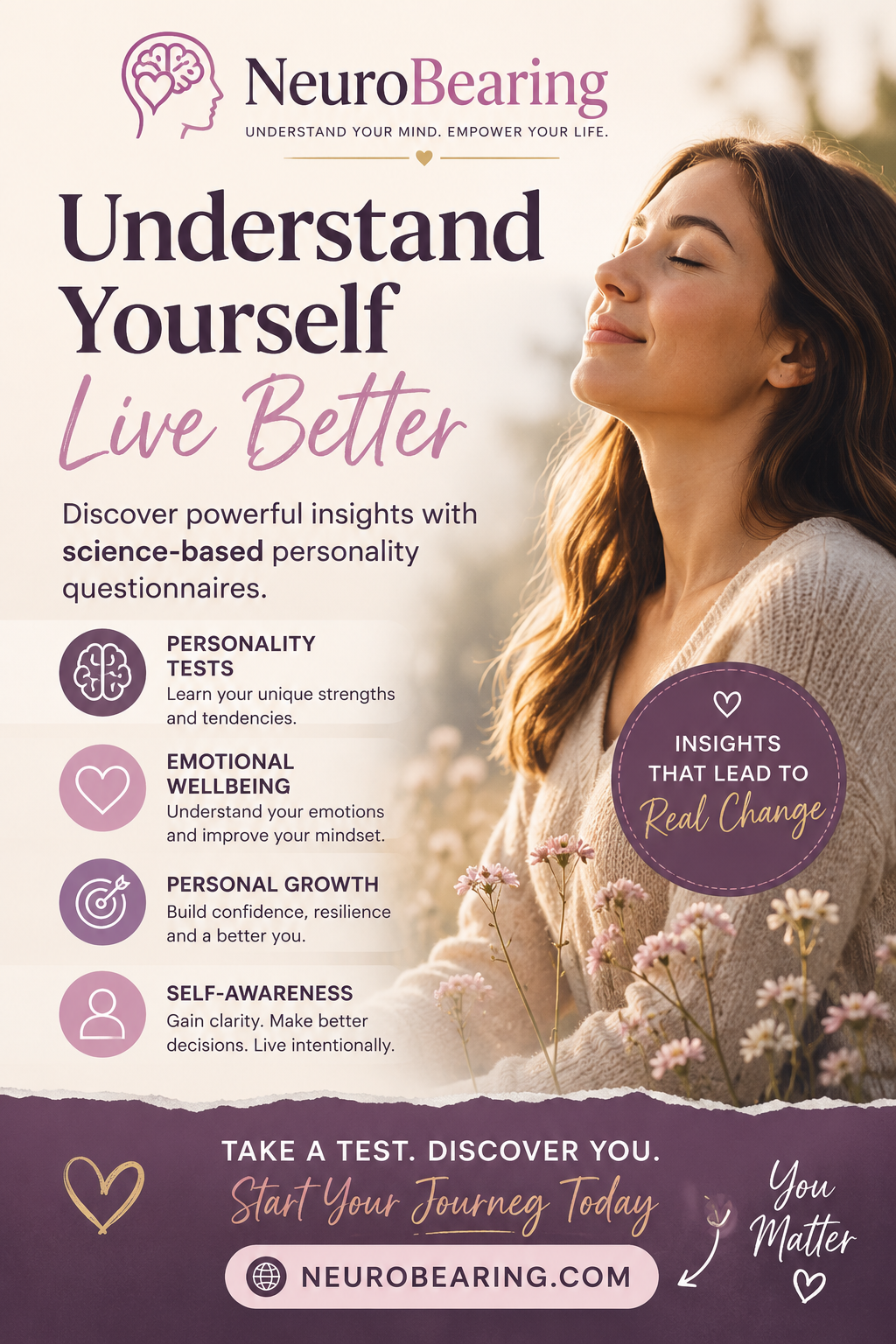
How Personality Questionnaires Can Help
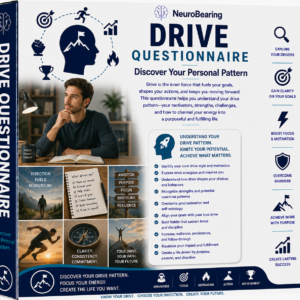
Personality questionnaires provide structured opportunities to explore behavioural tendencies, emotional patterns, motivational preferences, and interpersonal styles.
Rather than placing people into rigid categories, well-designed questionnaires encourage thoughtful reflection by highlighting patterns that individuals may not have previously considered.
These insights can support:
- Greater self-awareness.
- Better goal setting.
- Improved relationships.
- More effective communication.
- Stronger emotional regulation.
- Increased personal confidence.
When interpreted thoughtfully, personality questionnaires become valuable tools for self-discovery and personal development.
Practical Steps to Better Understand Yourself
Developing self-understanding does not require dramatic life changes. Small, consistent actions often produce meaningful insight over time.
Helpful approaches include:
- Reflecting regularly.
- Keeping a personal journal.
- Asking trusted individuals for constructive feedback.
- Learning about personality psychology.
- Setting meaningful personal goals.
- Monitoring emotional patterns.
- Practising mindfulness.
- Completing scientifically based personality questionnaires.
These activities gradually build greater awareness of who we are and how we interact with the world.
Final Thoughts
Understanding yourself is one of the most valuable investments you can make in your personal wellbeing. Greater self-awareness improves decision-making, strengthens relationships, supports emotional resilience, and encourages continuous personal growth.
Every experience offers an opportunity to learn something new about yourself. By remaining curious, reflecting honestly, recognising both strengths and areas for development, and embracing lifelong learning, you can make choices that align more closely with your values and aspirations.
True personal growth begins not by trying to become someone else, but by understanding who you already are and building upon that foundation with confidence, purpose, and self-awareness.
THE END…