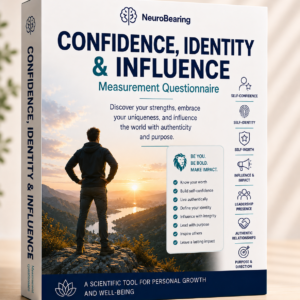
A strong SEO topic that fits NeuroBearing and naturally connects to many of your questionnaires is:
Self-Confidence: How It Develops and Why It Matters
It relates to confidence, self-esteem, emotional stability, achievement, resilience, assertiveness, and social confidence, giving you many opportunities for internal links.
Self-confidence influences nearly every aspect of our lives. It affects how we communicate, make decisions, pursue goals, respond to challenges, and interact with other people. While confidence is often associated with success or outgoing personalities, psychological research suggests that genuine self-confidence is not about believing we are perfect. Instead, it is about trusting our ability to learn, adapt, and cope with life’s experiences.
Many people believe confidence is something we either have or do not have. In reality, self-confidence is a skill that can develop over time through experience, learning, self-awareness, and repeated practice. Understanding how confidence develops allows us to strengthen it while recognising the factors that may undermine it.
What Is Self-Confidence?
Self-confidence refers to the belief that we can successfully manage situations, solve problems, and respond effectively to challenges. It is not based on never making mistakes. Rather, it reflects trust in our ability to cope with uncertainty and continue learning from experience.
Healthy confidence encourages people to take reasonable risks, express their opinions, pursue meaningful goals, and recover more effectively after setbacks.
Confidence Is Not the Same as Arrogance
Confidence is sometimes confused with arrogance, but they are fundamentally different.
Confident individuals generally:
- Accept both strengths and weaknesses.
- Remain open to learning.
- Respect other people’s opinions.
- Feel comfortable admitting mistakes.
- Do not need constant approval.
Arrogance often involves exaggerating abilities, dismissing feedback, or seeking superiority over others. Genuine confidence allows people to remain secure without needing to prove themselves constantly.
How Self-Confidence Develops
Confidence develops gradually through life experiences. Childhood, education, family relationships, friendships, work environments, and personal achievements all contribute to how individuals view their abilities.
Positive experiences often strengthen confidence, while repeated criticism, failure without support, or unrealistic expectations may weaken it. Fortunately, confidence is not fixed. New experiences and healthy habits can help strengthen self-belief throughout life.
The Psychology Behind Confidence
Several psychological factors influence confidence, including:
- Previous experiences.
- Personality traits.
- Emotional regulation.
- Self-talk.
- Goal achievement.
- Social support.
- Personal resilience.
These factors interact continuously, shaping how individuals interpret challenges and evaluate their own abilities.
Self-Efficacy and Confidence
Psychologists often distinguish between general confidence and self-efficacy.
Self-efficacy refers to the belief that we can perform specific tasks successfully. For example, someone may feel highly confident when giving presentations but less confident when learning a new language.
Building confidence often begins by successfully completing manageable challenges that gradually increase in difficulty.
Common Causes of Low Confidence
Many factors can reduce confidence over time, including:
- Fear of failure.
- Negative self-talk.
- Perfectionism.
- Comparing yourself with others.
- Repeated criticism.
- Lack of experience.
- Unrealistic expectations.
- Previous disappointments.
Understanding these influences helps individuals recognise that confidence is shaped by experience rather than being an unchangeable personal characteristic.
The Role of Self-Talk
The conversations we have with ourselves influence confidence more than many people realise.
Helpful self-talk may include:
- “I can learn from this.”
- “It’s normal to make mistakes.”
- “I’ll improve with practice.”
Unhelpful self-talk often includes:
- “I’ll never succeed.”
- “Everyone is better than me.”
- “If I fail once, I’m a failure.”
Learning to recognise and challenge these thoughts supports healthier self-confidence over time.
Confidence and Achievement
Confidence and achievement often reinforce one another. Small successes strengthen confidence, while increased confidence encourages individuals to pursue new opportunities.
Importantly, achievement does not always create confidence first. Sometimes confidence grows because people continue taking action despite uncertainty.
Waiting until you feel completely confident before beginning something new often delays personal growth.
Building Confidence Through Action
Confidence develops through experience rather than simply thinking positively.
Helpful strategies include:
- Setting realistic goals.
- Learning new skills.
- Celebrating small achievements.
- Accepting mistakes as part of learning.
- Seeking constructive feedback.
- Maintaining healthy routines.
- Practising regularly.
Repeated exposure to manageable challenges gradually reduces uncertainty and strengthens self-belief.
Confidence in Relationships
Self-confidence also influences personal relationships.
Confident individuals often:
- Communicate more clearly.
- Express opinions respectfully.
- Set healthy boundaries.
- Handle disagreements constructively.
- Feel less dependent on constant reassurance.
Healthy confidence supports balanced relationships based upon mutual respect rather than insecurity or fear of rejection.
Confidence at Work
Confidence contributes to professional development by encouraging individuals to:
- Share ideas.
- Accept responsibility.
- Learn new skills.
- Take on leadership opportunities.
- Adapt to changing circumstances.
Professional confidence continues growing as experience increases and competence develops.
Emotional Resilience and Confidence
Resilience strengthens confidence because individuals learn they can recover from setbacks.
Every challenge successfully managed becomes evidence that future obstacles can also be handled.
Rather than avoiding difficulty, resilient individuals gradually build confidence by facing challenges with realistic expectations and a willingness to learn.
Practical Ways to Strengthen Confidence
Small daily habits often have the greatest long-term impact.
Helpful practices include:
- Keeping promises you make to yourself.
- Exercising regularly.
- Learning continuously.
- Reflecting on personal progress.
- Focusing on strengths while developing weaknesses.
- Limiting unnecessary comparison with others.
- Maintaining supportive relationships.
- Speaking to yourself with patience and respect.
Consistency is often more valuable than dramatic short-term efforts.
The Importance of Self-Acceptance
Confidence grows most effectively when combined with self-acceptance.
Accepting that everyone has strengths, weaknesses, successes, and setbacks reduces unnecessary self-criticism and encourages healthier personal growth.
Self-acceptance does not mean avoiding improvement. It simply recognises that personal worth is not determined by flawless performance.
How Personality Questionnaires Can Help
Personality questionnaires can provide valuable insights into behavioural tendencies that influence confidence.
For example, they may explore characteristics such as:
- Self-esteem.
- Assertiveness.
- Emotional stability.
- Achievement striving.
- Social confidence.
- Resilience.
- Optimism.
Understanding these patterns encourages greater self-awareness and helps individuals identify practical areas for personal development.
Final Thoughts
Self-confidence is not something reserved for a fortunate few. It is a quality that develops gradually through learning, experience, perseverance, and self-awareness. Every challenge successfully managed, every new skill learned, and every setback overcome contributes to stronger confidence over time.
Rather than seeking perfection, focus on consistent progress. Small daily improvements often produce lasting changes in how you view yourself and your abilities.
By understanding your personality, recognising your strengths, developing healthy habits, and remaining willing to learn from experience, you can build genuine self-confidence that supports personal growth, stronger relationships, and greater wellbeing throughout every stage of life.
THE END…