Achievement is a concept that has fascinated psychologists, educators, employers, and individuals for decades. Whether it involves academic success, career progression, personal goals, or everyday accomplishments, achievement reflects our ability to pursue meaningful objectives and transform effort into results. While many people associate achievement with awards, promotions, or financial success, psychology suggests that true achievement is far broader. It encompasses perseverance, self-improvement, resilience, and the satisfaction of reaching personally meaningful goals.
Achievement is not reserved for exceptional individuals. Every person demonstrates achievement in different ways, whether by learning a new skill, overcoming a difficult challenge, maintaining healthy relationships, or consistently working toward long-term aspirations. Understanding the psychology behind achievement can help us recognise our strengths, identify barriers to success, and develop habits that support continuous personal growth.
What Is Achievement?
Achievement refers to successfully reaching a desired goal through effort, persistence, learning, or skill. It involves completing tasks, overcoming obstacles, and making measurable progress toward objectives that hold personal value.
Achievement may be large or small. Graduating from university, building a successful business, improving physical fitness, learning a language, completing a project, or simply maintaining healthy daily habits can all represent meaningful achievements.
Importantly, achievement is subjective. What feels like a major accomplishment for one person may not have the same significance for another. Personal goals, values, circumstances, and life experiences all influence how individuals define success.
The Psychology of Achievement
Psychologists have long studied why some individuals appear highly motivated to pursue challenging goals while others struggle to begin or maintain effort. Achievement is influenced by a combination of personality traits, motivation, environmental factors, learning experiences, emotional regulation, and self-beliefs.
People with a strong achievement orientation often demonstrate:
- Persistence during setbacks.
- Willingness to learn from mistakes.
- Long-term planning.
- Self-discipline.
- Goal-directed behaviour.
- Personal responsibility.
- Curiosity and continuous learning.
These characteristics are not fixed personality traits. They can develop through experience, practice, and conscious habit formation.
Achievement Motivation
Achievement motivation describes the internal drive that encourages individuals to pursue success and improve performance. Some people naturally enjoy challenging themselves, while others become motivated through external rewards such as recognition, financial incentives, or praise.
Psychologists often distinguish between two broad motivational patterns.
Intrinsic motivation comes from personal satisfaction. Individuals pursue goals because they enjoy learning, solving problems, or mastering new skills.
Extrinsic motivation comes from external outcomes such as grades, promotions, awards, status, or financial rewards.
Both forms of motivation can encourage achievement. However, long-term personal growth is often supported by maintaining a balance between internal satisfaction and external recognition.
Why Achievement Matters
Achievement contributes to many aspects of psychological wellbeing. Successfully reaching goals often strengthens confidence, improves resilience, increases self-efficacy, and provides a sense of purpose.
Achievement may also contribute to:
- Greater personal satisfaction.
- Increased confidence.
- Improved emotional resilience.
- Better problem-solving skills.
- Stronger sense of identity.
- Greater optimism about future challenges.
Each achievement reinforces the belief that effort can produce meaningful results, encouraging continued personal development.
Personality Traits Associated With Achievement
Achievement is influenced by several personality characteristics that affect how individuals approach challenges and opportunities.
Conscientiousness is consistently associated with achievement. Highly conscientious individuals tend to organise their work, plan ahead, complete responsibilities, and maintain discipline over time.
Persistence allows people to continue working despite obstacles or temporary failure.
Curiosity encourages exploration, learning, and the acquisition of new skills.
Self-control supports the ability to delay immediate gratification while working toward long-term goals.
Optimism can encourage individuals to continue pursuing objectives even during periods of uncertainty.
Although these characteristics vary between individuals, they can often be strengthened through deliberate practice and experience.
Common Barriers to Achievement
Many obstacles can interfere with personal achievement. These barriers may involve external circumstances, internal beliefs, or behavioural habits.
Common challenges include:
- Fear of failure.
- Perfectionism.
- Low confidence.
- Procrastination.
- Lack of clear goals.
- Poor organisation.
- Negative self-talk.
- Excessive comparison with others.
Recognising these obstacles allows individuals to develop strategies that reduce their impact.
Fear of Failure
Fear of failure is one of the most common barriers to achievement. Some individuals avoid opportunities because they worry about making mistakes or disappointing others.
Ironically, avoiding challenges often limits personal growth more than failure itself. Every successful individual has experienced setbacks. The difference often lies in viewing mistakes as opportunities to improve rather than evidence of personal inadequacy.
Developing a learning mindset allows people to continue progressing even when outcomes are not immediately successful.
The Role of Goal Setting
Achievement becomes more likely when goals are clear and realistic. Vague ambitions such as “I want to be successful” provide little direction. Specific objectives help focus attention and guide behaviour.
Effective goals are often:
- Clearly defined.
- Realistic.
- Personally meaningful.
- Measurable.
- Broken into manageable steps.
Small milestones provide regular opportunities for success, helping maintain motivation over time.
Building Productive Habits
Long-term achievement is rarely the result of one extraordinary effort. Instead, it is usually built through consistent daily habits.
Examples include:
- Maintaining regular routines.
- Planning daily priorities.
- Limiting distractions.
- Reviewing progress.
- Continuing education.
- Looking after physical health.
- Taking regular breaks to avoid burnout.
These behaviours gradually compound over time, producing significant improvements through consistency rather than intensity alone.
The Importance of Resilience
Achievement is closely connected to resilience. Challenges, disappointments, and unexpected setbacks occur throughout every personal and professional journey.
Resilience involves recovering from difficulties while maintaining commitment to long-term goals.
Resilient individuals often:
- Adapt to changing circumstances.
- Learn from feedback.
- Maintain perspective during setbacks.
- Continue working despite temporary obstacles.
Rather than eliminating failure, resilience changes how people respond to it.
Achievement and Self-Belief
Believing that improvement is possible encourages greater persistence during challenging situations. Individuals who believe their abilities can develop through learning often approach difficulties with greater confidence than those who believe talent is fixed.
Developing positive self-belief does not require unrealistic optimism. Instead, it involves recognising that progress usually results from consistent effort, learning, and adaptation.
Confidence often grows after repeated experiences of overcoming manageable challenges.
Social Support and Achievement
Supportive relationships can significantly influence achievement. Encouragement from family, friends, teachers, colleagues, or mentors often increases motivation and confidence.
Constructive feedback helps identify areas for improvement while recognising existing strengths.
Working alongside supportive individuals also creates opportunities for collaboration, accountability, and shared learning.
Maintaining Balance
While achievement is valuable, maintaining balance remains equally important. Constantly pursuing success without adequate rest or personal wellbeing may contribute to stress, burnout, or reduced life satisfaction.
Healthy achievement involves recognising that rest, recreation, relationships, and personal wellbeing are not obstacles to success. They often support sustainable performance over time.
Individuals who balance ambition with self-care frequently demonstrate greater long-term consistency than those who rely solely on constant effort.
How Personality Questionnaires Can Help
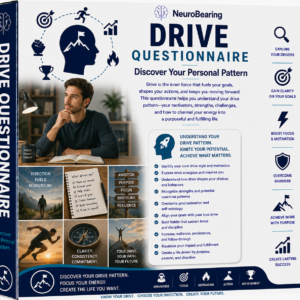
Personality questionnaires provide structured opportunities for self-reflection. They can help individuals understand motivational patterns, strengths, behavioural tendencies, and areas that may influence achievement.
For example, questionnaires may explore characteristics such as conscientiousness, perseverance, organisation, emotional regulation, resilience, or achievement striving.
These assessments are not intended to define an individual’s potential. Instead, they encourage greater awareness, helping people identify practical opportunities for personal development and goal achievement.
Developing an Achievement Mindset
An achievement mindset is not about becoming perfect or competing constantly with others. It involves adopting attitudes that encourage continuous learning, persistence, responsibility, and gradual improvement.
Individuals can strengthen this mindset by:
- Setting meaningful goals.
- Focusing on steady progress.
- Accepting mistakes as learning opportunities.
- Celebrating small successes.
- Remaining curious.
- Maintaining healthy routines.
- Reflecting regularly on personal growth.
Over time, these attitudes contribute to greater confidence and more consistent progress across many areas of life.
Final Thoughts
Achievement is far more than reaching the finish line. It is the ongoing process of learning, growing, adapting, and moving toward personally meaningful goals. While external success can be rewarding, lasting achievement often begins with internal qualities such as perseverance, motivation, resilience, and self-awareness.
Every accomplishment, regardless of size, reflects progress rather than perfection. By understanding the psychological factors that influence achievement, developing productive habits, maintaining healthy balance, and continuing to learn from experience, individuals can create lasting personal growth throughout every stage of life.
Achievement is not simply about becoming more successful. It is about becoming the best version of yourself through consistent effort, purposeful action, and lifelong learning.